

How to get a healthy body is a question many people ask when they want to improve their fitness, nutrition, energy, and overall well-being. A healthy body isn’t built from workouts alone. Eating well, staying hydrated, getting enough sleep, managing stress, and giving yourself enough time to recover all matter.
The good news is that you don’t need an extreme diet, an expensive gym membership, or hours of exercise every day. A healthier body is usually the result of simple habits repeated consistently over time.
The key is finding a routine you can actually stick with.
From nutrition and physical activity to sleep and stress management, this guide explains the most important habits that can help you build a healthier lifestyle.
What Does a Healthy Body Actually Mean?
Before learning how to get a healthy body, it’s important to understand what “healthy” actually means.
A healthy body isn’t necessarily the body with the lowest weight or the most visible muscles.
Health can involve several different areas, including:
- Healthy eating habits
- Regular physical activity
- Adequate muscle strength
- Good cardiovascular fitness
- Healthy sleep
- Proper hydration
- Stress management
- Healthy body composition
- Sufficient recovery
- Consistent daily habits
Your body doesn’t need to be perfect.
Instead, the goal is to support your physical and mental well-being through habits that are realistic and sustainable.
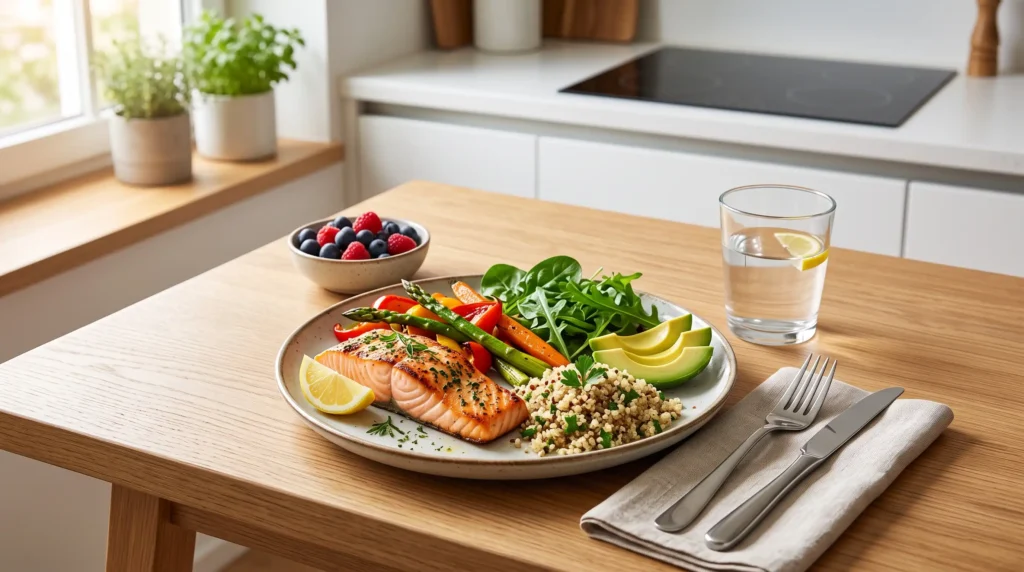
1. Eat a Balanced and Nutritious Diet
Nutrition is one of the most important parts of learning how to get a healthy body.
Your body needs food to provide energy and essential nutrients. A balanced diet can support normal body functions, physical performance, recovery, and overall health.
Instead of focusing on one “superfood,” try to eat a variety of nutritious foods.
Good choices can include:
- Vegetables
- Fruits
- Whole grains
- Beans
- Lentils
- Chickpeas
- Eggs
- Fish
- Lean meat
- Yogurt
- Nuts
- Seeds
- Healthy sources of unsaturated fats
The World Health Organization describes a healthy diet around principles including adequacy, balance, moderation, and diversity.
That means your diet should provide the nutrients your body needs while maintaining a reasonable balance between different types of foods.
Don’t make your diet unnecessarily restrictive
One common mistake is thinking that getting healthy means eliminating every food you enjoy.
That approach can be difficult to maintain.
Instead, focus on what you can add to your diet.
For example, you could add:
- An extra serving of vegetables
- A piece of fruit
- More protein
- Whole grains
- More nutritious snacks
- Water instead of sugary drinks
Small improvements can become long-term habits.
If you’re trying to understand your daily energy needs, you can also use the Calorie Calculator and Macro Calculator on FitCalculatorAI.
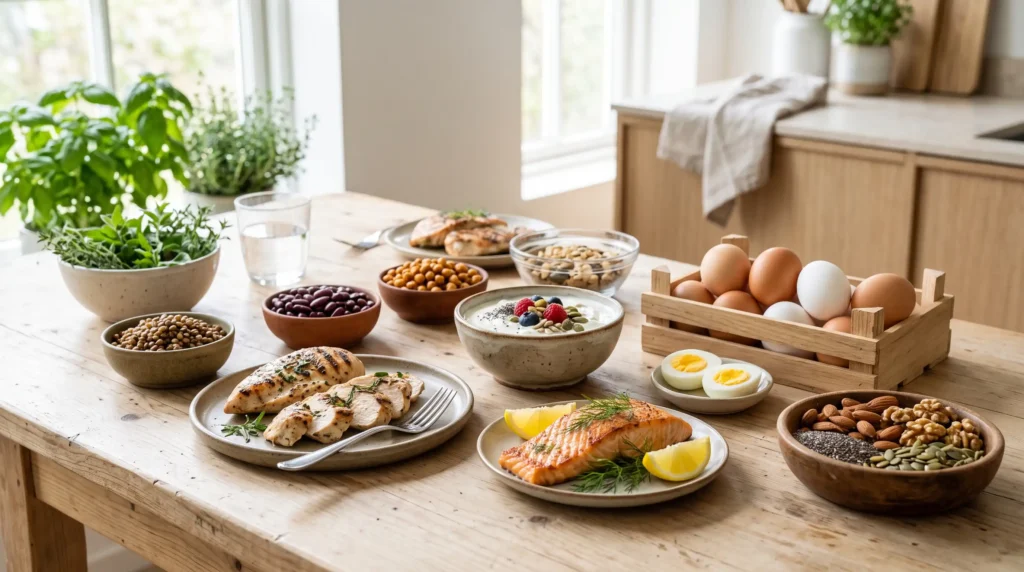
2. Get Enough Protein
Protein is an important nutrient for maintaining and repairing body tissues.
It’s particularly important for people who exercise because resistance training creates a stimulus for muscle adaptation.
Good sources of protein include:
- Eggs
- Chicken
- Fish
- Lean beef
- Yogurt
- Milk
- Lentils
- Beans
- Chickpeas
- Nuts and seeds
You don’t necessarily need protein powder to consume enough protein.
A balanced diet can provide protein from a variety of foods.
Your individual protein requirements depend on factors such as body size, activity level, age, and fitness goals.
If you’re unsure about your needs, the Protein Calculator can help you estimate an appropriate daily intake.
Remember that more protein isn’t automatically better. The goal is to consume an appropriate amount as part of a balanced diet.
3. Drink Enough Water
Hydration is another important part of understanding how to get a healthy body.
Water plays an important role in many normal processes in the body, including temperature regulation and maintaining normal physical function.
Your fluid requirements aren’t exactly the same as someone else’s.
They can change depending on:
- Your activity level
- Weather
- Temperature
- Body size
- Diet
- Sweating
- Illness
- Pregnancy or breastfeeding
For example, you may need more fluids when exercising or spending time in hot weather.
A simple strategy is to keep water available throughout the day and drink regularly.

Choose your drinks carefully
Water is generally a simple choice for hydration.
Sugary drinks can add substantial amounts of sugar and calories without providing the same nutritional value as whole foods.
You don’t have to eliminate every sweet drink, but making water your regular beverage can be a useful habit.
If you want an individualized estimate, try our Water Intake Calculator.
4. Exercise Regularly
Regular physical activity is one of the most important answers to the question of how to get a healthy body.
Exercise can support cardiovascular fitness, muscle strength, physical function, and overall well-being.
The World Health Organization recommends that adults perform:
- 150–300 minutes of moderate-intensity aerobic activity per week, or
- 75–150 minutes of vigorous-intensity activity per week
Adults should also perform muscle-strengthening activities involving major muscle groups on at least two days per week.
However, you don’t have to reach the recommended amount immediately.
If you’re currently inactive, start with something manageable.
For example:
Week 1: 15–20 minute walks
Week 2: Longer walks plus one strength session
Week 3: Two strength sessions
Week 4: Gradually increase your activity
The most important thing is to create a routine you can maintain.

5. Build Muscle and Strength
A healthy body isn’t only about body weight.
Muscle strength is important for everyday movement, physical performance, and maintaining independence as you age.
Strength training can be performed at home or in a gym.
Beginner exercises can include:
Lower body
- Squats
- Lunges
- Step-ups
- Glute bridges
Upper body
- Push-ups
- Rows
- Shoulder presses
Core
- Planks
- Bird dogs
- Dead bugs
You can start with bodyweight exercises and gradually introduce resistance bands, dumbbells, or other equipment.
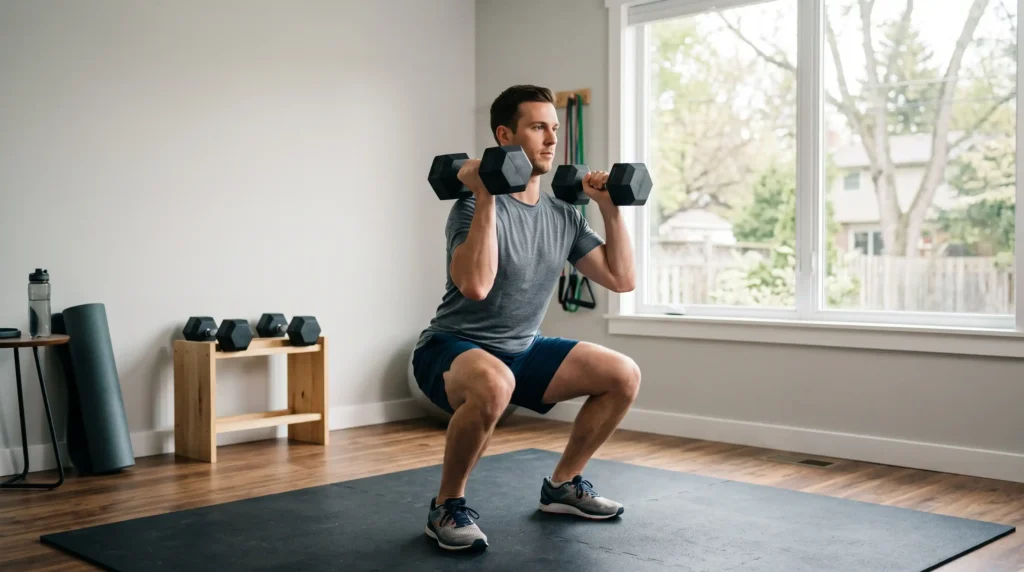
Focus on progressive improvement
You don’t need to make every workout extremely difficult.
Instead, gradually increase the challenge as your body adapts.
You might increase:
- Repetitions
- Resistance
- Sets
- Exercise difficulty
- Training frequency
This gradual approach can help you build strength without making every workout exhausting.
6. Get Enough Sleep
Sleep is often overlooked when people think about how to get a healthy body.
However, sleep is an important part of recovery and overall health.
The CDC recommends that adults aged 18–60 get at least seven hours of sleep per night.
If you’re exercising regularly but consistently sleeping too little, you’re missing an important part of a healthy lifestyle.

Simple ways to improve your sleep
Try to:
- Keep a relatively consistent bedtime
- Wake up at a similar time each day
- Keep your bedroom comfortable and dark
- Get natural daylight during the day
- Exercise regularly
- Avoid excessive caffeine late in the day
- Reduce stimulating activities before bed
- Create a relaxing evening routine
You don’t need to change everything at once.
If you currently sleep six hours, working toward seven hours may be a more realistic goal than trying to completely change your schedule overnight.
7. Manage Stress
A healthy body also requires attention to mental well-being.
Stress is a normal part of life, but chronic or excessive stress can make it harder to maintain healthy habits.
Finding healthy ways to manage stress can make your overall routine easier to maintain.
Some options include:
- Walking outdoors
- Exercise
- Meditation
- Deep breathing
- Reading
- Listening to music
- Spending time with friends
- Spending time in nature
- Taking breaks from screens
- Organizing your daily priorities

You don’t need an elaborate wellness routine.
Even a short walk or a few minutes of quiet breathing can become part of your daily routine.
The best stress-management strategy is one that works for you and is realistic enough to repeat.
8. Give Your Body Time to Recover
Another important part of learning how to get a healthy body is understanding recovery.
Exercise creates a physical stimulus, but your body also needs time to adapt.
Recovery includes:
- Adequate sleep
- Rest days
- Proper nutrition
- Hydration
- Managing training volume
- Light physical activity

Training harder isn’t automatically better.
If you’re constantly exhausted, extremely sore, or losing motivation, it may be a sign that your routine needs more recovery.
A balanced fitness program should include both training and rest.
Think of recovery as part of your training rather than something that happens only when you’re not exercising.
How to Build a Healthy Daily Routine
You don’t need a complicated schedule to start improving your health.
Here’s an example of a simple routine.
Morning
Start your day with water and a nutritious breakfast if breakfast fits your routine.
A simple meal could contain:
- Eggs
- Oatmeal
- Fruit
- Yogurt
Try to get some natural daylight and move around rather than spending the entire morning sitting.
During the day
Choose balanced meals and drink fluids regularly.
If you work at a desk, stand up and move around periodically.
Short walks throughout the day can add useful movement.
Afternoon or evening
Complete your workout or go for a brisk walk.
A 20–30 minute workout can still be valuable.
You don’t need to spend two hours in the gym.
Before bed
Give yourself time to slow down.
Reduce stimulating activities and try to maintain a consistent sleep schedule.
The objective isn’t to create a perfect day.
It’s to create a routine you can repeat most days.

Don’t Focus Only on Your Weight
When people search for how to get a healthy body, they often focus almost entirely on their weight.
Body weight is useful information, but it doesn’t tell the entire story.
Two people can weigh exactly the same while having very different:
- Muscle mass
- Body fat levels
- Fitness levels
- Strength
- Waist measurements
- Lifestyle habits
That’s why it’s useful to monitor several aspects of your health.
You can track:
- Body weight
- Waist circumference
- Body fat percentage
- Strength
- Cardiovascular fitness
- Daily steps
- Sleep
- Energy levels
- Workout performance
Our BMI Calculator can help you calculate BMI, while the Body Fat Calculator can provide an estimate of body fat percentage.
These calculations are useful tools, but they shouldn’t be treated as a complete medical evaluation.
How to Get a Healthy Body Without Extreme Diets
You don’t need to completely remove carbohydrates, fats, or your favorite foods to build healthier habits.
Instead, look at your overall eating pattern.
For example, you could:
Eat more:
- Vegetables
- Fruits
- Legumes
- Whole grains
- Fish
- Eggs
- Lean protein
- Nuts and seeds
Limit excessive intake of:
- Sugary drinks
- Highly processed foods
- Foods very high in added sugar
- Excessive amounts of saturated or trans fats
- Excessive sodium
This doesn’t mean these foods can never be eaten.
The goal is balance.
A healthy diet is something you should be able to maintain for years rather than just for a few weeks.
How to Get a Healthy Body at Home
You don’t need a gym to start becoming more active.
A simple home workout could include:
Squats: 3 sets
Push-ups: 3 sets
Glute bridges: 3 sets
Bodyweight lunges: 2–3 sets
Plank: 2–3 sets
Add walking to your routine and gradually increase the difficulty as your fitness improves.
If you have access to resistance bands or dumbbells, you can expand your exercise options.
The important thing is to choose exercises appropriate for your current fitness level and progress gradually.
Avoid the “All or Nothing” Mindset
One of the biggest barriers to building a healthy lifestyle is believing that you have to be perfect.
You don’t.
Missing one workout doesn’t ruin your progress.
Eating one unhealthy meal doesn’t erase weeks of healthy eating.
Sleeping badly one night doesn’t mean your entire routine has failed.
Instead of thinking:
“I failed today.”
Think:
“What can I do better tomorrow?”
This mindset makes it easier to maintain healthy habits over the long term.

A Simple Healthy Body Checklist
Use this checklist to see where you can improve.
Nutrition
- ☐ I eat a variety of nutritious foods.
- ☐ I regularly eat vegetables and fruit.
- ☐ I get enough protein.
- ☐ I don’t rely heavily on highly processed foods.
Hydration
- ☐ I drink fluids regularly.
- ☐ I increase my intake when exercising or sweating heavily.
- ☐ I don’t rely mainly on sugary drinks.
Physical activity
- ☐ I move regularly throughout the day.
- ☐ I perform aerobic activity.
- ☐ I perform strength training.
- ☐ I gradually increase my fitness.
Sleep
- ☐ I usually get enough sleep.
- ☐ I maintain a relatively consistent schedule.
- ☐ I have a relaxing bedtime routine.
Recovery
- ☐ I take rest days when needed.
- ☐ I eat enough to support my activity.
- ☐ I stay hydrated.
- ☐ I don’t constantly train through exhaustion.
Mental well-being
- ☐ I have ways to manage stress.
- ☐ I spend some time outdoors.
- ☐ I maintain social connections.
- ☐ I make time for activities I enjoy.
You don’t need every box checked today.
Choose one or two areas and improve them gradually.
How Long Does It Take to Build a Healthy Body?
There isn’t one universal timeline.
Different parts of your health can change at different speeds.
You might notice improvements in energy or fitness relatively quickly, while changes in strength or body composition can take longer.
Your results depend on factors such as:
- Starting fitness level
- Nutrition
- Training
- Sleep
- Genetics
- Age
- Recovery
- Consistency
Instead of setting an unrealistic deadline, focus on what you can repeat every week.
The goal is not to become healthy for 30 days.
The goal is to build habits that can remain part of your lifestyle for years.
The Bottom Line
How to get a healthy body doesn’t have to be a complicated question.
Start with the basics.
Eat a balanced diet.
Get enough protein.
Drink enough fluids.
Move regularly.
Strength train.
Sleep at least seven hours when possible.
Manage stress.
Give your body enough time to recover.
Most importantly, choose habits that fit your real life.
You don’t need to completely transform your lifestyle overnight. A few small improvements repeated consistently can eventually become powerful habits.
A healthy body isn’t built from one perfect workout or one perfect meal. It’s built from the everyday choices you continue making over time.
Frequently Asked Questions
How to get a healthy body naturally?
How to get a healthy body naturally starts with basic lifestyle habits: eat a balanced diet, stay active, drink enough fluids, sleep adequately, manage stress, and give your body enough recovery time.
Can I get a healthy body without going to the gym?
Yes. Walking, running, cycling, swimming, bodyweight exercises, resistance bands, and home workouts can all contribute to a healthy and active lifestyle.
How much exercise do I need for a healthy body?
For adults, WHO recommends 150–300 minutes of moderate-intensity aerobic activity per week, or 75–150 minutes of vigorous activity, along with muscle-strengthening activities on at least two days per week.
How much sleep do I need?
Adults aged 18–60 generally need at least seven hours of sleep per night according to the CDC.
Does drinking water help you stay healthy?
Yes. Water is essential for normal body functions, and staying hydrated is an important part of a healthy lifestyle. Fluid requirements vary between individuals.
Is body weight the most important measurement of health?
No. Body weight is only one measurement. Strength, body composition, fitness, waist circumference, sleep, nutrition, and other lifestyle factors can also provide useful information.
Can I build a healthy body with a busy schedule?
Yes. You can start with small habits such as walking more, preparing simple nutritious meals, drinking water regularly, doing short workouts, and maintaining a consistent sleep schedule.