
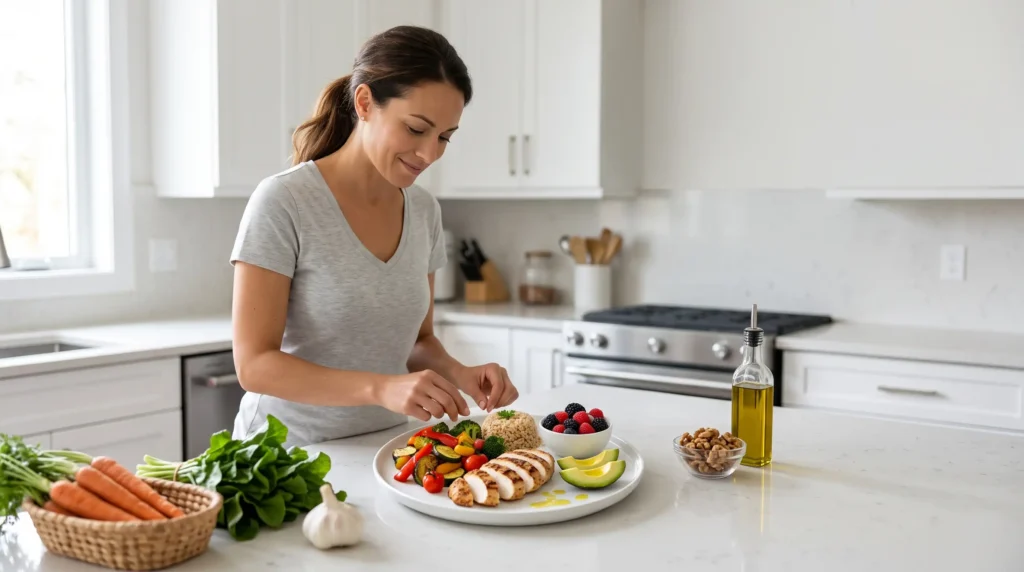
What should I eat to lose weight? It’s one of the most common questions people ask when they want to improve their body weight and eating habits.
The good news is that you don’t need a complicated diet or a long list of “forbidden” foods.
A healthy weight-loss diet can include protein-rich foods, vegetables, fruits, whole grains, beans, healthy fats, and other nutrient-dense foods. The key is creating an overall eating pattern that helps you manage your energy intake while providing enough nutrients and keeping meals satisfying.
The amount you need to eat depends on factors such as your age, sex, body size, metabolism, and physical activity level.
So rather than asking “Which food burns fat?”, a better question is:
“Which foods help me build satisfying, nutritious meals that I can maintain over time?”
What Should I Eat to Lose Weight?
If your goal is healthy weight loss, focus most of your meals around:
- Lean protein
- Vegetables
- Fruits
- High-fiber carbohydrates
- Whole grains
- Beans and lentils
- Moderate amounts of healthy fats
- Water and low-calorie beverages
These foods can make it easier to build nutritious meals while managing portions and overall calorie intake.
You don’t need to completely eliminate carbohydrates or fats. NIDDK notes that healthy eating patterns can include a variety of foods, including whole grains, fruits, vegetables, protein foods, nuts, and seeds.
1. Eat More Protein-Rich Foods
Protein is an important part of a balanced diet and can help make meals more satisfying.
Good choices include:
- Eggs
- Chicken
- Turkey
- Fish
- Lean beef
- Greek yogurt
- Cottage cheese
- Beans
- Lentils
- Tofu
Instead of building a meal primarily around bread, pasta, or rice, start with a protein source and then add vegetables and an appropriate carbohydrate portion.
Example
Instead of:
Large bowl of pasta + creamy sauce
Try:
Grilled chicken + vegetables + moderate serving of pasta
This doesn’t mean pasta is “bad.” It’s about creating a more balanced meal.
If you want an individualized estimate of your daily protein needs, you can use the Protein Calculator on FitCalculatorAI.
2. Make Vegetables a Bigger Part of Your Plate
Vegetables are among the easiest foods to include when you’re trying to improve the overall quality of your diet.
Examples include:
- Broccoli
- Spinach
- Carrots
- Tomatoes
- Peppers
- Cauliflower
- Green beans
- Cabbage
- Zucchini
- Lettuce
NIDDK recommends a variety of colorful vegetables as part of a healthy eating pattern.
You don’t have to eat salads at every meal.
Try:
- Roasted vegetables
- Vegetable soup
- Stir-fried vegetables
- Grilled vegetables
- Steamed vegetables
- Vegetables mixed into rice or pasta
The goal is variety rather than perfection.
3. Don’t Be Afraid of Fruit
Fruit is sometimes unnecessarily avoided during weight loss because it contains natural sugar.
But whole fruits provide nutrients and fiber and can be part of a healthy eating pattern.
Good choices include:
- Apples
- Oranges
- Berries
- Bananas
- Pears
- Peaches
- Kiwi
- Grapes
- Melons
Whole fruit is generally a better everyday choice than sugary drinks or fruit-flavored beverages.
Instead of thinking:
“Fruit contains sugar, so I shouldn’t eat it.”
Think:
“How can I include fruit as part of a balanced diet?”
For example:
Greek yogurt + berries + a small portion of nuts
can make a simple, satisfying snack.
4. Choose High-Fiber Carbohydrates
You don’t have to remove carbohydrates to lose weight.
Instead, pay attention to the type and portion.
Good carbohydrate choices include:
- Oatmeal
- Potatoes
- Sweet potatoes
- Brown rice
- Whole-grain bread
- Whole-grain pasta
- Beans
- Lentils
- Quinoa
Whole grains, vegetables, fruits, beans, and other plant foods can contribute fiber and important nutrients.
The portion still matters.
A large serving of even a nutritious carbohydrate can contribute more energy than you need.
That’s why food quality and portion size both matter.
5. Include Healthy Fats in Moderate Amounts
Healthy fats can absolutely be part of a weight-loss diet.
Examples include:
- Olive oil
- Avocado
- Almonds
- Walnuts
- Peanuts
- Seeds
- Olives
- Fatty fish
The important word is moderate.
Fat contains more calories per gram than protein or carbohydrates, so large amounts can increase total calorie intake quickly. NIDDK recommends including healthy fats while limiting excessive amounts of high-calorie fats.
For example, instead of pouring a large amount of olive oil over a salad, use a moderate amount and combine it with plenty of vegetables and a protein source.
6. Choose Water More Often
What you drink can also influence your overall calorie intake.
Common sources of added calories include:
- Soda
- Sweetened coffee
- Energy drinks
- Sweetened tea
- Some fruit drinks
- Large specialty coffee beverages
Water is a simple default choice.
NIDDK recommends choosing water instead of sugar-sweetened drinks as part of healthier eating habits.
You can also choose:
- Sparkling water
- Unsweetened tea
- Unsweetened coffee
You don’t necessarily need to eliminate every sweet beverage forever. Reducing how often you consume them may be a more realistic starting point.
7. Pay Attention to Portion Sizes
Even healthy foods can contribute to weight gain if portions consistently exceed your body’s energy needs.
NIDDK explains that how much you eat is important for reaching or maintaining a healthy weight, and that a portion is not necessarily the same as the serving size shown on a food label.
For example:
A handful of nuts can be nutritious.
But repeatedly eating large handfuls throughout the day can significantly increase calorie intake.
The same applies to:
- Olive oil
- Cheese
- Peanut butter
- Rice
- Pasta
- Granola
- Dried fruit
You don’t need to fear these foods.
Simply become more aware of portions.
8. Build a Balanced Plate
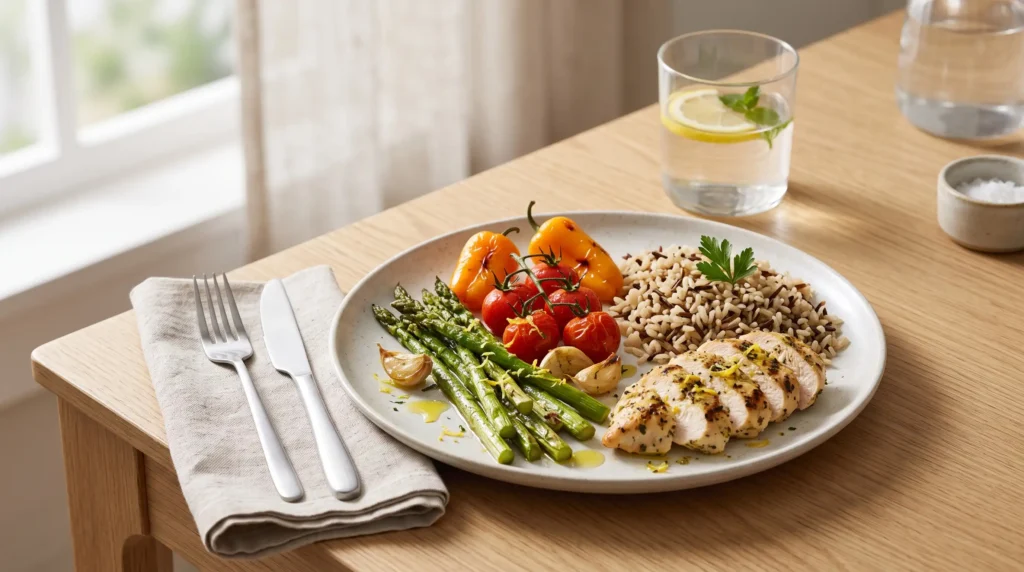
One of the easiest approaches is to think about the overall structure of your meal.
A simple plate could contain:
½ plate: vegetables
¼ plate: protein
¼ plate: whole grains, potatoes, rice, or another carbohydrate
Then add a moderate amount of healthy fat if appropriate.
This isn’t a strict rule that everyone must follow. Your nutritional needs can vary.
But it provides a useful visual framework when you don’t want to count every calorie.
9. Don’t Eliminate Your Favorite Foods
One of the biggest mistakes people make is creating a diet they cannot maintain.
If you love:
- Pizza
- Chocolate
- Burgers
- Ice cream
- Bread
- Pasta
you don’t necessarily need to eliminate them completely.
Instead, consider:
- Smaller portions
- Less frequent consumption
- Adding vegetables or protein
- Choosing simpler versions
- Eating slowly
- Avoiding turning one indulgent meal into an entire “cheat day”
NIDDK notes that treats can fit into a healthy eating pattern when consumed occasionally and in small portions.
A sustainable diet should leave room for real life.
10. Plan Your Meals Before You’re Extremely Hungry
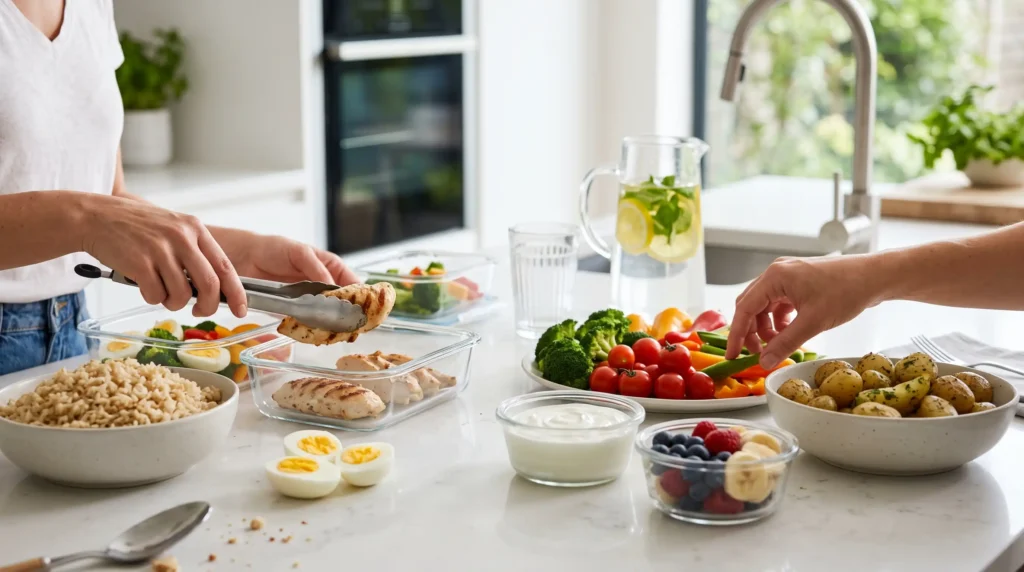
Waiting until you’re extremely hungry can make food choices more difficult.
Meal planning can help you keep nutritious options available.
For example, prepare:
Protein: grilled chicken or boiled eggs
Carbohydrates: potatoes, oats, or rice
Vegetables: cooked or chopped vegetables
Snacks: fruit or Greek yogurt
This makes it easier to assemble a balanced meal quickly.
NIDDK recommends planning meals and snacks ahead and keeping healthier foods available.
Best Foods to Eat for Weight Loss
Here’s a simple reference table.
| Food Group | Good Choices |
|---|---|
| Protein | Eggs, chicken, fish, Greek yogurt, beans |
| Vegetables | Broccoli, spinach, peppers, tomatoes |
| Fruit | Apples, berries, oranges, bananas |
| Whole grains | Oats, brown rice, whole-grain bread |
| Legumes | Lentils, chickpeas, beans |
| Healthy fats | Olive oil, avocado, nuts, seeds |
| Drinks | Water, sparkling water, unsweetened tea |
The goal isn’t to eat only foods from this table.
It’s to use these foods as the foundation of a varied eating pattern.
Foods to Limit When Trying to Lose Weight
You don’t have to label foods as “bad.”
However, some foods and drinks are easy to overconsume because they can be high in calories, added sugars, or unhealthy fats.
Examples include:
- Sugary drinks
- Large portions of fast food
- Frequent desserts
- Highly processed snack foods
- Large amounts of fried foods
- Excessive sauces and dressings
- Frequent alcohol consumption
NIDDK recommends limiting foods and drinks high in added sugars and unhealthy fats while emphasizing nutrient-rich foods.
How Many Calories Should I Eat to Lose Weight?
There’s no single calorie target that works for everyone.
Your needs depend on:
- Age
- Sex
- Height
- Weight
- Activity level
- Individual metabolism
- Weight-loss goal
You can use the Calorie Calculator on FitCalculatorAI to estimate your daily calorie needs.
Your TDEE Calculator can then help estimate how much energy you may use each day based on your activity level.
If weight loss is your goal, the Calorie Deficit Calculator can help you understand the relationship between your estimated energy needs and a potential calorie deficit.
These are estimates rather than medical prescriptions.
What Does a Healthy Weight-Loss Meal Look Like?
Here’s one example:
Breakfast
2 eggs + whole-grain toast + fruit
Lunch
Grilled chicken + large vegetable salad + potatoes
Snack
Greek yogurt + berries
Dinner
Fish + vegetables + brown rice
Drinks
Water + unsweetened coffee or tea
This is only an example.
You can replace foods according to your culture, preferences, budget, allergies, and nutritional needs.
The important thing is the overall pattern.
What If I’m Still Hungry After Eating?
If you regularly feel hungry shortly after meals, look at the composition of your meals.
Try combining:
Protein + fiber + volume + healthy fat
For example:
Chicken + vegetables + potatoes + small amount of olive oil
may be more satisfying than eating a small amount of refined carbohydrate alone.
If constant hunger is a major issue, our article “Why Am I Always Hungry? 10 Common Causes and What to Do” can help you explore potential reasons and practical strategies.
What If I Can’t Lose Weight?
Eating healthy foods doesn’t automatically guarantee weight loss.
You can still consume more energy than your body needs, even from nutritious foods.
Portion sizes, drinks, snacks, physical activity, sleep, medications, medical conditions, and other factors can influence weight management. The CDC notes that medicines, medical conditions, stress, genes, hormones, environment, and age can all affect weight management.
If you’ve been making consistent lifestyle changes without seeing progress, consider reviewing your overall food intake and activity level.
If you suspect medication or a health condition may be affecting your weight, speak with a qualified healthcare professional.
The Best Diet Is One You Can Maintain
You don’t need the perfect diet.
You need an eating pattern that you can realistically follow.
A sustainable approach might look like:
80–90%: nutritious everyday foods
10–20%: foods you enjoy
The exact ratio isn’t important.
The bigger idea is flexibility.
Extreme restriction can make healthy eating harder to maintain. NIDDK recommends looking for weight-loss approaches that fit your health, cultural needs, preferences, and values and that you can maintain over the long term.
Frequently Asked Questions
What should I eat first when trying to lose weight?
Start by improving the overall structure of your meals. Include a protein source, plenty of vegetables or other high-fiber foods, an appropriate carbohydrate portion, and moderate healthy fats.
Can I eat rice while trying to lose weight?
Yes. Rice can be part of a healthy diet. The amount you eat and the overall composition of your meals matter more than completely eliminating rice.
Can I eat bread and still lose weight?
Yes. Bread can fit into a weight-loss diet. Choosing whole-grain bread and paying attention to portions can help you create a balanced meal.
Are fruits good for weight loss?
Whole fruits can be part of a healthy weight-loss diet. They provide nutrients and fiber and can be a better everyday choice than many sugary drinks and desserts.
Should I stop eating fat to lose weight?
No. You don’t need to eliminate dietary fat. Healthy fats such as olive oil, nuts, seeds, avocado, and fish can be part of a balanced diet. However, portions matter because fat is energy-dense.
What is the best food for weight loss?
There isn’t one food that causes weight loss by itself. A combination of nutritious foods, appropriate portions, regular activity, and sustainable habits is more important.
Final Takeaway
What should I eat to lose weight?
Focus on building meals around protein, vegetables, fruits, high-fiber carbohydrates, whole grains, beans, and moderate amounts of healthy fats.
You don’t need to completely eliminate carbohydrates, bread, rice, fruit, or your favorite foods.
Instead:
- Improve food quality
- Control portions
- Drink more water
- Eat enough protein
- Increase fiber-rich foods
- Reduce highly processed foods
- Stay physically active
- Choose habits you can maintain
Healthy weight loss is about your overall pattern—not one specific food.
Medical Disclaimer
This article is for educational purposes only and does not provide medical advice. Individual nutrition and weight-management needs vary. If you have a medical condition, take medication, are pregnant, have a history of an eating disorder, or are unsure whether weight loss is appropriate for you, consult a qualified healthcare professional.