
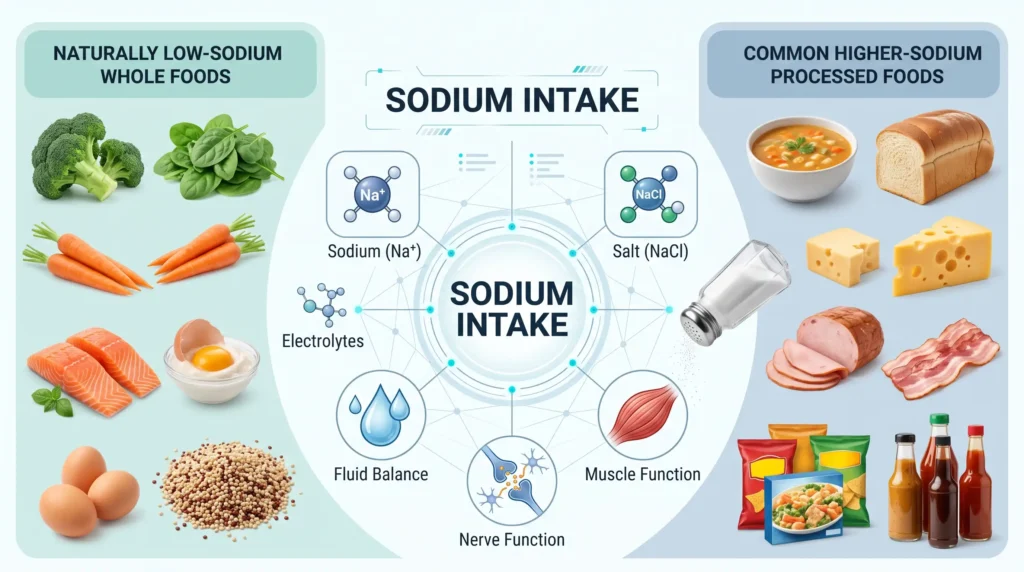
Sodium is an essential mineral and electrolyte that plays an important role in maintaining fluid balance, nerve signaling, and normal muscle function. Although the body needs sodium, consuming too much can be a concern for many people.
A Sodium Intake Calculator can help you estimate your daily sodium intake or understand how your intake compares with commonly used nutrition recommendations.
This guide explains what sodium is, why the body needs it, how much sodium people generally need, where sodium comes from, how to read food labels, and how to use a sodium intake calculator as part of a balanced nutrition plan.
What Is a Sodium Intake Calculator?
A Sodium Intake Calculator is a nutrition tool designed to help estimate the amount of sodium consumed or recommended during the day.
Depending on the calculator, you may enter foods, serving sizes, meals, or personal information to estimate your sodium intake. The result can provide a useful starting point for understanding how much sodium is present in your diet.
You can use the Sodium Intake Calculator to estimate your sodium intake and better understand the role of sodium in your overall nutrition.
What Is Sodium?
Sodium is a mineral and electrolyte found naturally in many foods and commonly added to foods as salt or other sodium-containing ingredients.
The body needs sodium to help maintain normal fluid balance and support nerve and muscle function. Sodium also works together with other electrolytes to help regulate fluid distribution in the body.
Sodium and salt are related, but they are not exactly the same thing.
Table salt is primarily sodium chloride. Sodium is one component of salt, while chloride is the other major component.
Why Does the Body Need Sodium?
Sodium is essential for several normal physiological functions. The body carefully regulates sodium concentration because both insufficient and excessive amounts can be problematic.
- Helps maintain normal fluid balance.
- Supports normal nerve signaling.
- Contributes to normal muscle function.
- Helps maintain normal blood volume.
- Works with other electrolytes in fluid regulation.
How Much Sodium Do You Need?
Sodium requirements are not identical for everyone. Recommended intake can vary depending on age, health status, activity level, climate, and other individual factors.
Many public health guidelines encourage adults to limit sodium consumption to reduce the risk associated with excessive sodium intake. A commonly used benchmark is less than 2,300 mg of sodium per day for adults.
Some people may have different recommendations based on medical conditions or advice from a healthcare professional.
Important: A general sodium target should not automatically replace individualized medical or dietary advice. If a healthcare professional has given you a specific sodium limit, follow that recommendation.
Sodium vs. Salt: What Is the Difference?
Sodium and salt are often used interchangeably in everyday conversation, but they are different.
Salt is primarily sodium chloride. Sodium is only part of the weight of table salt.
| Term | Meaning |
|---|---|
| Sodium | An essential mineral and electrolyte used by the body. |
| Salt | Primarily sodium chloride, containing sodium and chloride. |
Where Does Most Dietary Sodium Come From?
Sodium can occur naturally in foods, but a significant amount of dietary sodium can come from processed, packaged, and restaurant foods.
Common sources include breads, sauces, processed meats, canned foods, packaged snacks, instant meals, cheese, soups, and restaurant dishes.
Processed Foods
Processed foods may contain sodium because salt and other sodium-containing ingredients are used for flavor, preservation, texture, or food processing.
Restaurant Meals
Restaurant meals can sometimes contain substantial amounts of sodium, particularly when sauces, seasoning blends, processed ingredients, or salty condiments are used.
Condiments and Sauces
Soy sauce, some salad dressings, ketchup, barbecue sauce, stock cubes, and other condiments can contribute significant sodium to a meal.
How to Read Sodium on a Nutrition Label
Nutrition labels typically list sodium in milligrams. Checking the sodium amount per serving can help you understand how much sodium a particular food contributes.
Pay attention to the serving size because the amount listed on the label applies to that serving. Eating multiple servings means your actual sodium intake may be higher than the number shown for one serving.
Always check both the sodium amount per serving and the number of servings you actually eat.
High-Sodium Foods
Sodium content can vary significantly between brands and products, but some categories are commonly associated with higher sodium levels.
- Processed meats.
- Instant noodles and packaged meals.
- Canned soups.
- Salty snacks.
- Some sauces and condiments.
- Fast food and restaurant meals.
- Some cheeses.
- Processed and packaged foods.
Lower-Sodium Food Choices
Reducing sodium does not necessarily mean removing flavor from your meals. Fresh and minimally processed foods can make it easier to control sodium intake.
- Fresh fruits and vegetables.
- Unsalted nuts and seeds.
- Fresh or minimally processed meats and fish.
- Plain grains and legumes.
- Low-sodium or no-salt-added products.
- Herbs, spices, garlic, lemon, and other flavoring ingredients.
Sodium and Hydration
Sodium is closely connected with hydration because it is one of the body’s major electrolytes.
During prolonged exercise or heavy sweating, electrolytes including sodium can be lost through sweat. The amount lost varies from person to person and can also depend on exercise duration, temperature, sweat rate, and other factors.
If you want to explore hydration and electrolyte requirements, use our Water & Electrolyte Calculator .
Sodium and Exercise
Sodium can become particularly relevant during prolonged or intense physical activity, especially when substantial sweating occurs.
However, not every workout requires additional sodium or electrolyte products. For many ordinary daily activities and shorter workouts, normal food and fluid intake may be sufficient.
People participating in prolonged endurance activities or exercising in hot environments may have different hydration and electrolyte considerations.
Can You Consume Too Much Sodium?
Yes. Regularly consuming excessive amounts of sodium can be a concern, particularly for people who are sensitive to sodium or already have certain health conditions.
High sodium intake is associated with increased blood pressure in many people. Reducing excessive sodium intake can therefore be an important part of a heart-healthy eating pattern.
Individual responses to sodium vary, so a general calculator should be considered an educational tool rather than a medical assessment.
Can You Get Too Little Sodium?
Sodium is essential, so the body needs an adequate amount. However, sodium deficiency is not simply determined by eating a low-sodium meal.
Low blood sodium, known as hyponatremia, is a medical condition that can have many causes and requires appropriate medical evaluation.
Do not try to diagnose low blood sodium using a nutrition calculator.
Blood sodium levels are determined through medical testing and should be interpreted by a qualified healthcare professional.
How to Use a Sodium Intake Calculator
Using a Sodium Intake Calculator can be a simple way to estimate your daily sodium consumption.
- Enter the foods or meals you consume.
- Select the appropriate serving size.
- Enter or review the sodium content when required.
- Repeat the process for your meals and snacks.
- Review your estimated daily sodium intake.
For the most accurate estimate, use realistic portion sizes and nutrition information from the actual products you eat.
How to Reduce Sodium Without Losing Flavor
Use Herbs and Spices
Garlic, paprika, black pepper, cumin, oregano, basil, rosemary, ginger, and other herbs and spices can add flavor without relying entirely on salt.
Use Citrus and Vinegar
Lemon juice, lime juice, and vinegar can add acidity and brightness to meals while helping reduce the need for additional salt.
Choose Fresh Ingredients
Preparing meals from fresh ingredients can give you more control over the amount of sodium added during cooking.
Compare Food Labels
Similar products can contain very different amounts of sodium. Comparing nutrition labels can help you choose lower-sodium options.
Sodium and Overall Nutrition
Sodium is only one part of a healthy eating pattern. Your overall diet also includes calories, protein, carbohydrates, fat, fiber, vitamins, minerals, and adequate hydration.
You can use our Calorie Calculator to estimate your daily calorie needs.
For macronutrient planning, the Macro Calculator can help estimate protein, carbohydrate, and fat targets.
You can also explore the Micronutrient Calculator to learn more about daily vitamin and mineral requirements.
Tips for Managing Daily Sodium Intake
- Check nutrition labels regularly.
- Pay attention to serving sizes.
- Compare similar packaged products.
- Choose fresh foods more often.
- Use sauces and condiments in moderation.
- Limit heavily processed foods when appropriate.
- Use herbs and spices instead of relying heavily on salt.
- Track your intake for several days to identify patterns.
Common Sodium Intake Mistakes
Only Counting Table Salt
Sodium does not come only from the salt shaker. Packaged foods, sauces, processed meats, and restaurant meals can also contribute substantial amounts.
Ignoring Serving Size
Eating two or three servings of a food means you may consume two or three times the sodium listed for one serving.
Assuming Every Low-Sodium Food Is Automatically Healthy
Sodium is only one part of nutrition. A food can be low in sodium while still being high in added sugar, saturated fat, or calories.
Following the Same Target as Everyone Else
Individual nutrition requirements can vary. People with certain health conditions may need specific dietary guidance.
Frequently Asked Questions
What is a Sodium Intake Calculator?
A Sodium Intake Calculator is a tool that helps estimate daily sodium consumption based on foods, portions, or other information entered into the calculator.
How much sodium should I consume per day?
Sodium recommendations vary by age and individual circumstances. A commonly used public health benchmark for adults is less than 2,300 mg of sodium per day, although individual medical recommendations may differ.
Is sodium the same as salt?
No. Sodium is a mineral, while table salt is primarily sodium chloride. Sodium is one component of salt.
What foods are high in sodium?
Common high-sodium foods include processed meats, packaged meals, canned soups, salty snacks, sauces, condiments, restaurant foods, and some cheeses.
Does exercise increase sodium needs?
Prolonged or intense exercise that causes substantial sweating can increase electrolyte losses, including sodium. Individual needs depend on factors such as sweat rate, exercise duration, and environmental conditions.
Can a Sodium Intake Calculator diagnose a sodium deficiency?
No. A nutrition calculator estimates dietary intake or general targets. It cannot diagnose low blood sodium or any other medical condition.
How can I reduce sodium intake?
Checking food labels, choosing fresh foods, limiting highly processed foods, comparing products, and using herbs and spices instead of excessive salt can help reduce sodium intake.
Is sodium important for hydration?
Yes. Sodium is an important electrolyte involved in fluid balance. It becomes particularly relevant when substantial fluid and electrolyte losses occur through prolonged sweating.